





AO Statement on AI, Part I
The problem, the fear, and why Mastergrind.
From
Alexander D. L. Oliver
I. The problem, the fear, and why Mastergrind.
On Artificial Intelligence (AI and AGI)
Alexander Oliver, Founder of Mastergrind
When people ask me what I think about AI, I notice the fear in the question before they finish asking it.
I get it. Nobody wants to find out that what they spent years building can now be done by a machine in thirty seconds. That is a scary thing to sit with.
But here is what I actually think.

I have been sitting with a version of this question for a long time, longer than the current AI conversation has been happening. I grew up watching people with serious talent end up in places that were too small for them. Not because they were not good enough. Because they never had the infrastructure to translate what they carried into something the world could see and trust. They kept performing, kept producing, kept showing up for systems that were never going to give back what they put in. That stayed with me. It is a big part of why I build what I build. And it is why this moment feels less like a crisis to me and more like a clarification.
The job losses are real. I want to say that clearly before anything else. Young professionals are watching entry-level work disappear. Entire career paths that used to take ten years to climb are getting compressed or cut. The data is not ambiguous. Hundreds of thousands of roles have already been affected and the estimates for the next five years are significant. Anyone telling you this is not happening is not paying attention.
But here is the thing. This is not new. The pattern is not new.
December 1961. General Motors installs the first industrial robot on a factory floor in New Jersey. Within a generation, the manufacturing jobs that had built the American middle class were gone. Not because workers were not good enough. Because they were working inside a layer of the economy that capital no longer needed them to fill. The machine did not replace the worker. It replaced the worker's seat at the table. And nobody came to save them.
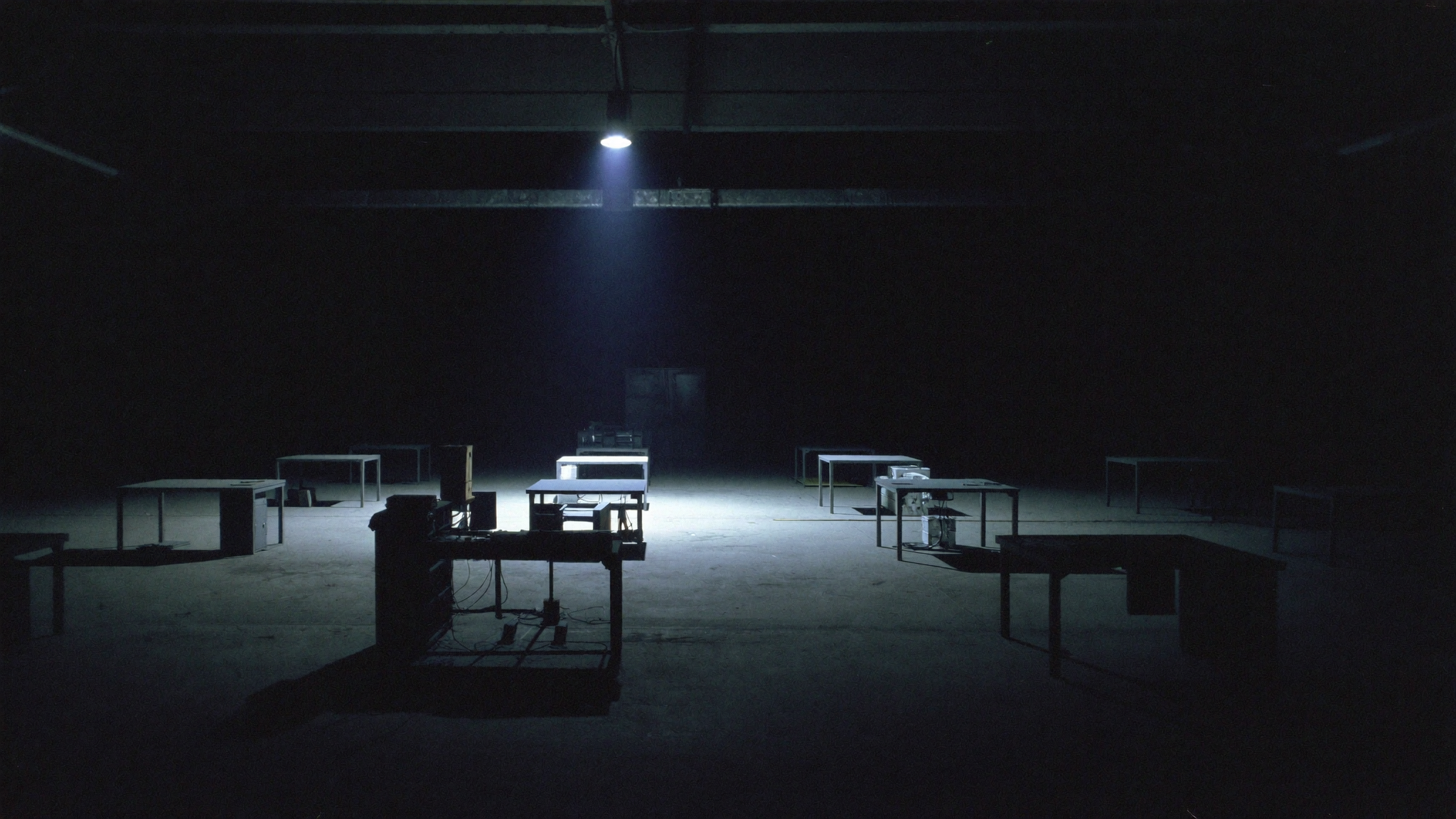
The same pattern ran through the knowledge economy in the nineties. Clerical work, data entry, middle management layers. Compressed or eliminated. The people most exposed were the ones who had built careers inside structures they did not own, executing tasks inside systems that belonged to someone else. When those systems changed, the careers changed with them.
What is happening now with AI is the same mechanism running faster and higher up the stack. The target this time is not the factory floor or the filing room. It is the knowledge work that everyone was told was safe. Writing. Analysis. Design. Coding. Customer service. Legal research. Financial modeling. The machine is moving through it the same way it always has. And the people most exposed are still the same kind of people. The ones who never owned the layer they were working in.
The machine does not owe you a seat. It never did.
AI did not create this problem. It made it impossible to ignore.
For years, people built careers on being busy. They produced content because the algorithm rewarded volume. They performed expertise because nobody could easily check. They borrowed language and frameworks from people they admired and called it their voice. It worked because the friction of doing things manually was hard and slow, and effort itself looked like proof of value.
Now the machine can do all of that. Fast. For almost nothing. And what that reveals is that a lot of what looked like real work was actually just friction dressed up as substance.
That is uncomfortable. It is also clarifying.

Most of the conversation right now treats this like a race to see who can do more, faster. I think that is the wrong race. Doing more of the same thing faster does not solve the actual problem. The problem is that most people have not been clear on what they are building or why. More speed does not fix that. It just produces more noise.
The thing that actually becomes scarce when the machine can produce everything is not capability. It is coherence. Knowing what you stand for. Having a point of view you developed yourself, tested yourself, and stood behind when it was not popular. Real relationships built through consistency, not reach. A reputation earned through actual decisions with actual consequences. None of that can be generated. It can only be built.
There is something deeper here worth naming directly. Most of the fear around AI is not really fear of the machine. It is fear of being exposed. Fear that the work was never as original as it felt. Fear that the expertise was borrowed rather than built. Fear that the identity was constructed from the outside in. The machine can replicate all of that. And it will.
What it cannot replicate is someone who built something genuinely theirs. Authority that came from actual judgment applied in real situations over time. Relationships built through consistency, not reach. A way of seeing things specific to a particular life and a particular set of decisions made under pressure. That is not a brand. It is not a personality. It is a position in the stack that the machine cannot be the landlord of.
The question is not whether your work survives this. The question is whether your work was ever truly yours to begin with.
This is why I am building Mastergrind the way I am building it. Not as an answer to AI. As an answer to the question AI forces every founder to face. What are you actually building? Does it deserve the hours of your life? Is it work that only you could do, or work that could have been done by anyone with the same tools?

What I have watched happen when a founder actually answers that question honestly is not a crisis. It is a reorientation. They stop producing for reach and start building for legacy. They stop performing for an audience and start contributing to people they trust. The work gets quieter and more specific. The relationships get deeper. And over time something compounds that no algorithm can touch because it was never built for one.
That is what we are building toward. Not protection from the machine. The kind of foundation that makes the machine beside the point.
Fear of Being Average is not about chasing greatness. It is about refusing to waste what you actually have. In this era, that is not inspiration. It is strategy.
The Machine Doesn't Owe You a Seat is a three-part documentary series COMING SOON to Mastergrind Originals gallery examining how this pattern has played out across three economic eras and what it demands of founders building now. Watch the Gallery series at mastergrind.network/galleries.
Alexander Oliver
Founder, Mastergrind
atlice.ai framesx.ai mastergrind.network
Credits:
Cover Photo - FRAMESx
Post Images - AI
Events:
Hosted by Mastergrind Club
Related:
Mastergrind Club


Spotlight:
Founder Infrastructure Map
Stay close to what's being built!
Follow StreamsLocation:
New York City
Location Spotlight:
Go Back Home (Single)
Marketplace:
Ecosystem Activation


Explore:
Mastergrind Network
Spotlight:
Founder Infrastructure Map


Stay close to what's being built.
Follow Streams

Mindset: Fear of being average
Follow & Activate


Your Club-GOLD Membership
These Club benefits are available to you during your Trial Membership until the launch of Mastergrind Club.
Your Club-Silver Membership
These Club benefits are available to you during your Trial Membership until the launch of Mastergrind Club.
Your Club-Blue Membership
These Club benefits are available to you during your until the official launch of Mastergrind Club.
Your Limited Access Account
Limited Access to Mastergrind Network & Club Events. A curated set of past Club event recordings and select resources from the Club library.
Not the full Club. A real look inside it.


